Master Behavioural Dog Training Now!
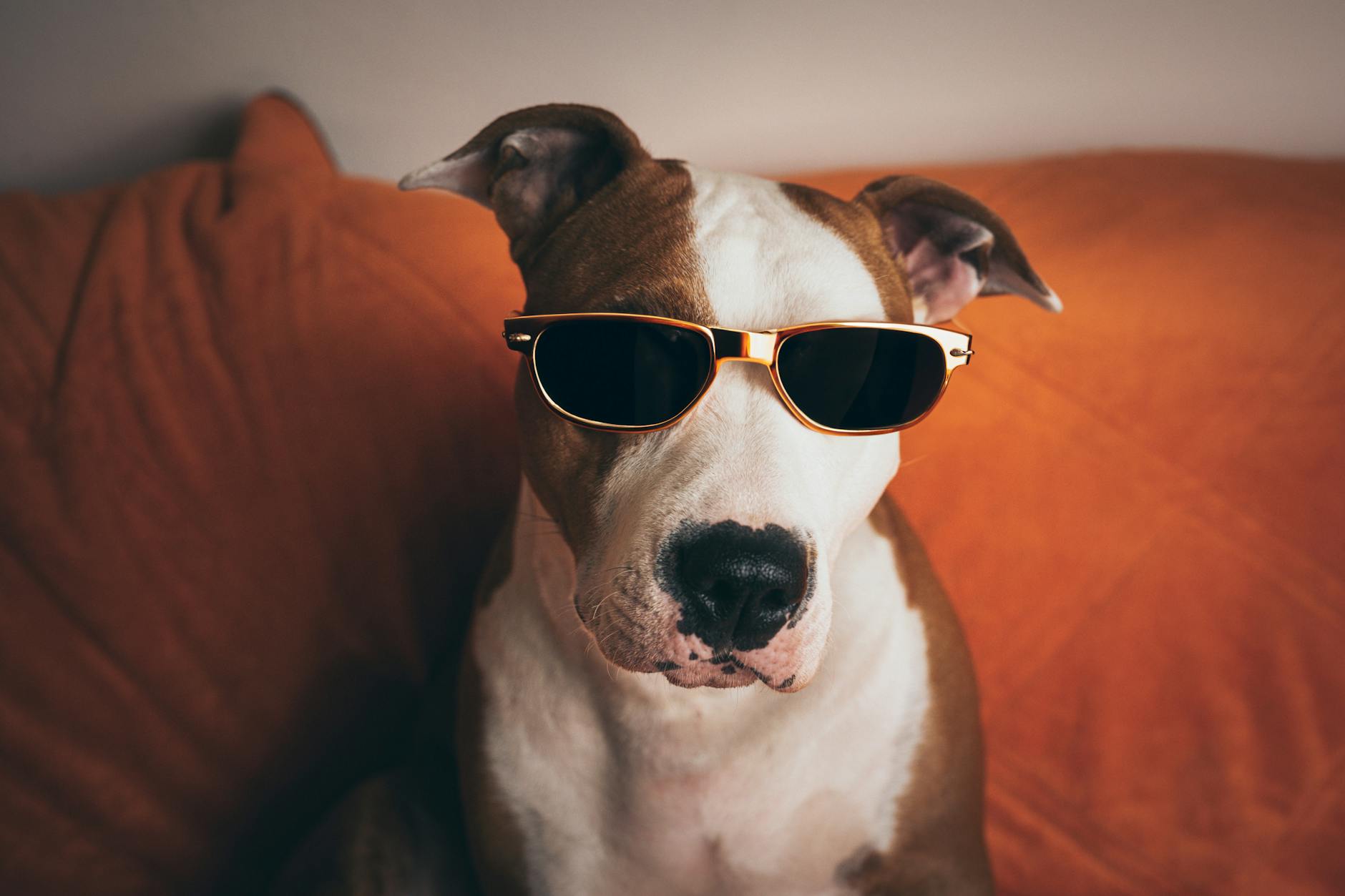
Dogs are among the most beloved companions of humans, offering affection, loyalty, and joy to their owners' lives. However, to truly enjoy a harmonious relationship with our canine friends, it's essential to understand the principles of behavioral dog training. Training your dog not only promotes good manners but also enhances the bond between you and your pet, fostering mutual respect and understanding.
Understanding Dog Behavior
Before diving into training methods, it's crucial to comprehend the basics of dog behavior. Dogs are pack animals by nature, which means they thrive in a structured social hierarchy. As a dog owner, it's your responsibility to establish yourself as the 'alpha' or leader of the pack. This leadership role helps dogs feel secure and know their place within the family unit.
Positive Reinforcement
One of the most effective and widely recommended training techniques is positive reinforcement. This method involves rewarding desired behavior, making it more likely the dog will repeat this behavior in the future. Rewards can be treats, praise, playtime, or any other form of positive acknowledgment that your dog enjoys.
Steps to Positive Reinforcement Training:
-
Identify the behavior you wish to train or reinforce, such as sitting or staying.
-
Choose the right reward that will motivate your dog, which can vary between individuals.
-
Timing is key; offer the reward immediately after your dog performs the desired behavior to establish a clear association.
-
Be consistent with your commands and rewards to avoid confusion.
-
Gradually reduce the frequency of rewards to reinforce the behavior without continuous treats, transitioning to intermittent reinforcement.
Correcting Unwanted Behaviors
When it comes to addressing unwanted behaviors, such as excessive barking or chewing, it's important to remain calm and consistent. Rather than punishing your dog, which can lead to fear or aggression, redirect their attention to an acceptable activity or use a firm, assertive voice to discourage the behavior.
Tips for Correcting Unwanted Behaviors:
-
Catch the behavior early before it becomes a habit.
-
Redirect the behavior to something positive.
-
Avoid yelling or physical punishment, as it can increase anxiety and worsen the behavior.
-
Create a consistent environment with clear boundaries and rules that are always enforced.
-
Consult a professional trainer if the behavior persists, as there may be underlying issues that need addressing.
Socialization and Training
Socialization is a critical aspect of dog training. Exposing your dog to various people, animals, environments, and experiences, particularly during their early stages of development, can help prevent fear and aggression. Well-socialized dogs are typically more adaptable and comfortable in new situations.
Implementing Routine
Dogs benefit greatly from routine and predictability. Establishing a daily schedule for feeding, walking, playtime, and training sessions can make training more effective. Consistency in these routines reassures your dog and helps with discipline and understanding of what is expected.
Professional Assistance
For those seeking a deeper understanding of canine behavior and more nuanced training techniques, consulting a professional dog trainer or behaviorist can be invaluable. They can offer personalized coaching and address specific issues with a tailored approach for your dog.
Finding the Right Trainer:
-
Check credentials and certifications to ensure they are qualified.
-
Read reviews and testimonials from previous clients.
-
Ask about their training philosophy to ensure it aligns with your views on positive reinforcement.
Building Lasting Bonds
Ultimately, the goal of behavioral dog training is to create a lasting bond between owner and pet that is based on mutual respect, trust, and understanding. A well-behaved dog not only makes for a happy household but also ensures the safety and well-being of the dog, the owners, and others they may encounter.
Bonding Through Training:
-
Spend quality time with your dog during and outside of training sessions.
-
Understand your dog's body language and cues to better communicate.
-
Engage in activities that both you and your dog enjoy to strengthen your bond.
In conclusion, mastering behavioral dog training is a journey worth undertaking for any dog owner. Unlocking effective dog training techniques can transform your pet's habits and lead to a more harmonious bond. With patience, understanding, and the proper guidance, you can achieve a truly rewarding relationship with your canine companion.